1:31 am
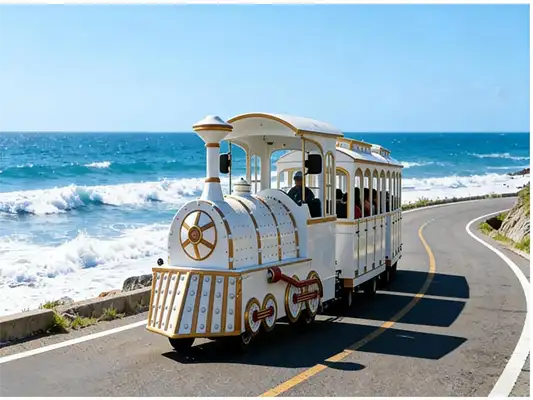
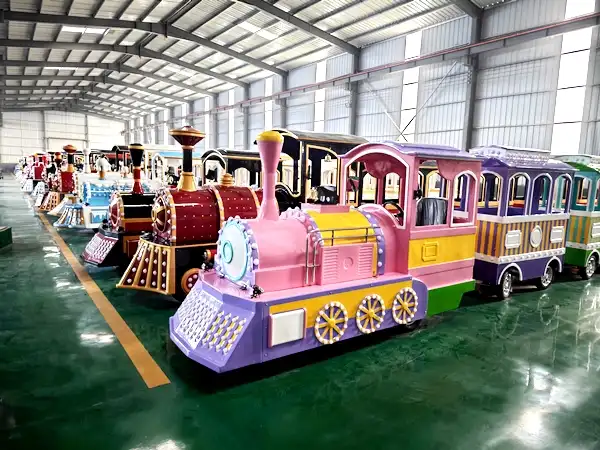
For operators of scenic areas and parks, sightseeing trains are a significant revenue-generating investment.
Unexpected train breakdowns can disrupt operations, frustrate tourists, and reduce profits. If you’re wondering how to maintain your sightseeing trains to reduce breakdowns, you’re not alone. Proper, regular maintenance can significantly reduce breakdowns, extend their lifespan, and ensure smooth operation.
Most train breakdowns are not due to quality issues, but rather to neglecting certain routine maintenance tasks.
Here are some practical and simple maintenance tips applicable to both trackless and tracked sightseeing trains to help you avoid common breakdowns.
1. Daily Pre-Run Inspection (Just 5 minutes a day, significant results) A quick pre-run inspection can detect small problems early, preventing them from developing into major breakdowns。Focus on checking the following areas。
Check battery charge, connections for looseness, and the cleanliness of charging ports (for electric trains);check the oil/fuel level for fuel-powered trains.
Check wheels and chassis for wear, cracks, debris, and loose bolts.
Test safety devices such as emergency braking, brakes, seat belts, and hazard lights.
Inspect the exterior and interior for loose parts, damaged wiring, and wear on seats and armrests.
2. Regular cleaning and rust prevention. Outdoor environments can cause wear and rust. Develop a regular cleaning schedule.
Clean the body, wheels, and chassis weekly to remove clogging dust/debris.
Wipe down the interior (seats, control panels) to prevent dust from damaging electrical components.
Apply rust inhibitor to metal parts every 3 months, especially in rainy/coastal areas.
3. Monthly in-depth inspection aims to address issues missed during routine checks.Focus on the following components:
Inspect the braking system for brake pad wear, adjust tension, and inspect hydraulic brakes.
Inspect the wiring, motor, and drivetrain for unusual noise/overheating, and check the transmission fluid.
Inspect for wear/damage and replace faulty wiring promptly to prevent short circuits.
Check tire pressure and tread wear to prevent instability and motor overload.
4. Choose a reliable manufacturer for after-sales support.
Occasionally, malfunctions may occur. Choose a manufacturer like us that offers robust after-sales support, including maintenance guides for specific models.
Original factory replacement parts prevent further malfunctions.
Professional technical support is available to quickly resolve issues.
Proper maintenance prevents malfunctions, minimizes downtime, reduces maintenance costs, and ensures reliable train operation.Well-maintained trains also enhance the passenger experience, increase revenue, and improve reputation.